Rev. Dr. Haroutune Selimian, President of the Armenian Protestant Community in Syria, visited Hungary on 4–5 December, meeting with representatives of the Reformed Church in Hungary (RCH), the Hungarian Reformed Church Aid (HRCA), members of the Armenian community in Budapest, and regional partners from the Királyhágómellék Church District (Romania). The visit continued a long-standing partnership grounded in mutual solidarity, shared testimony, and a commitment to faithfully serving communities facing social and economic uncertainties, and to persevering in shared witness through difficult times.
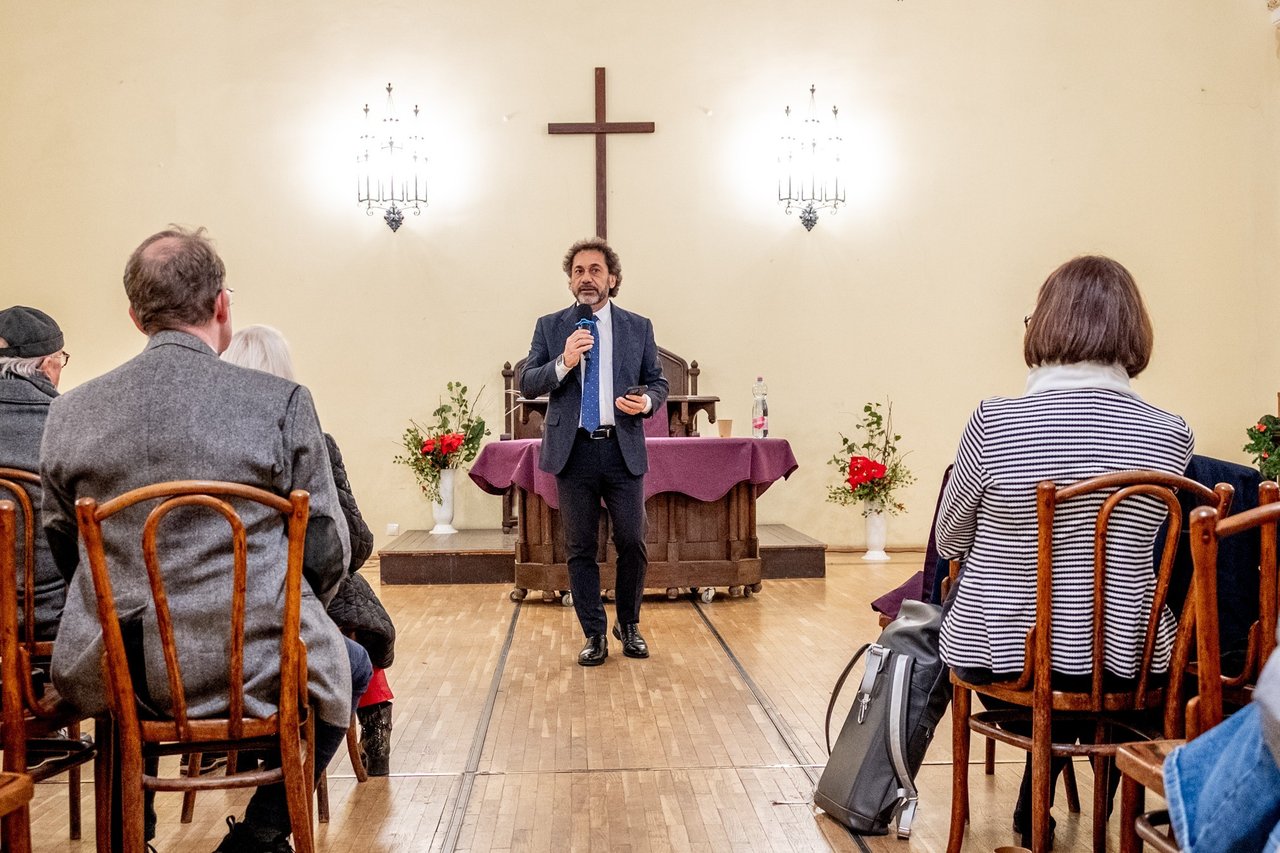
Photo: Reformatus.hu/Ivola Bazánth
Rev. Dr. Selimian began his visit with a meeting with Bishop József Steinbach, Ministerial President of the RCH. Bishop Steinbach welcomed him warmly, expressing gratitude for the partnership developed between the two churches and praising the perseverance and service of the Armenian Protestant Community during years of war and crisis.
Rev. Selimian emphasised the importance of the ministry of presence, being in and among the community, especially in times of instability. He noted that the solidarity shown by the Reformed Church in Hungary following the civil war served not only as material support but also as a sign that the community in Syria was remembered, an expression of the materialisation of God’s compassion. Both leaders expressed the hope that cooperation between the churches will continue to deepen.
In a meeting with Gergely Szabó, Director of the Pension Fund of the RCH, Rev. Selimian shared updates on the situation in Syria, including challenges that persist despite the formal end of the civil war. The discussion touched on damage sustained by church buildings, the needs of vulnerable communities, and the value of long-term support for educational institutions and teachers, which remain central to the church’s mission in Syria.
The conversation also looked ahead to potential new areas of cooperation, particularly in educational and community development efforts.
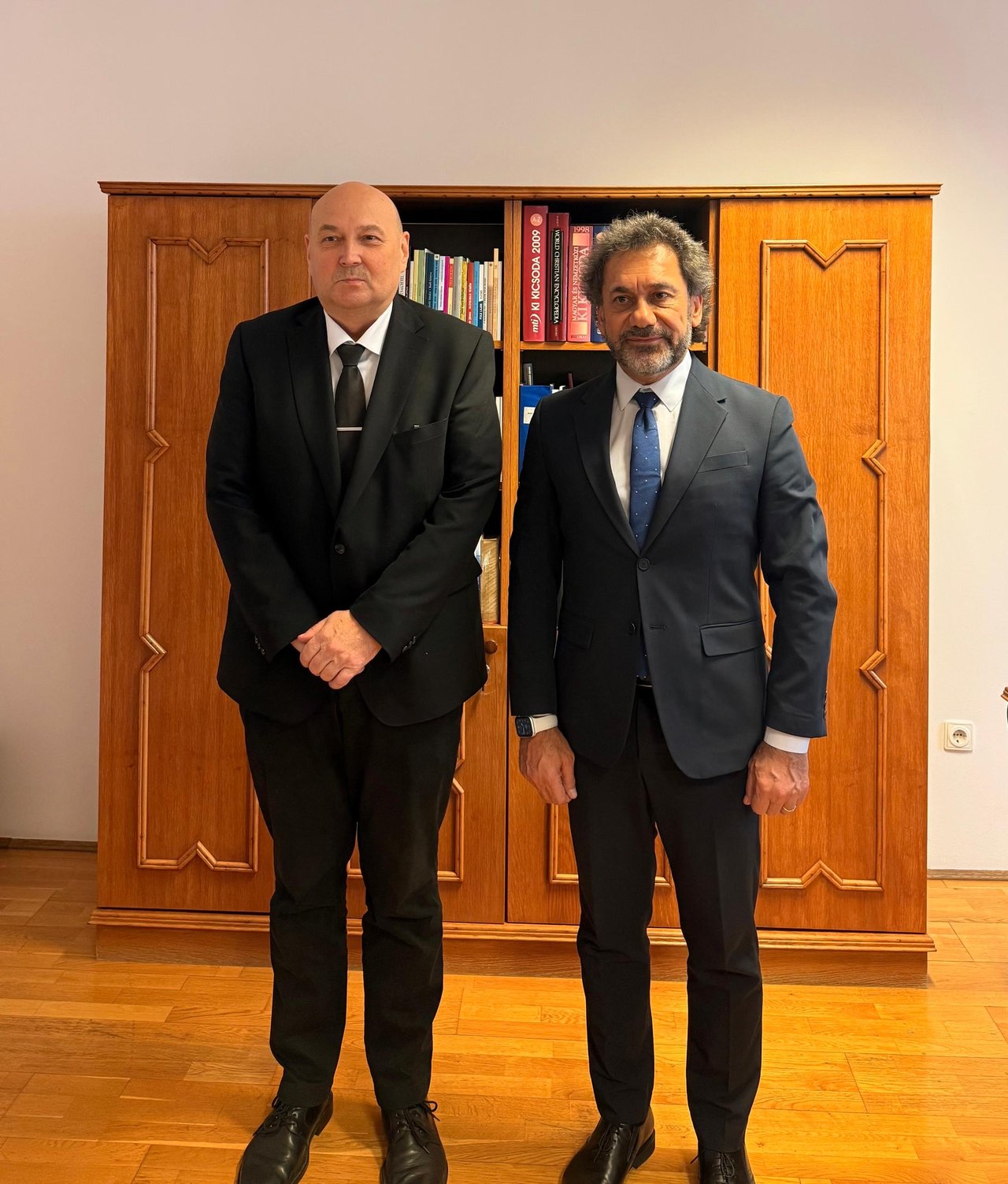
Photo: Ecumenical office
Following the meeting with Szabó, Rev. Selimian met with Rev. Viktória Katona, Executive Director of Hungarian Reformed Church Aid, for an exchange on pastoral and humanitarian experiences in difficult contexts. Rev. Katona reflected on her many years serving at a children’s home in Transcarpathia, highlighting the importance of staying present with communities in both ordinary and difficult moments, not only on the good or special days.
Rev. Selimian outlined five core dimensions of the Syrian church’s ministry, noting ongoing efforts in education and vocational development. He highlighted extracurricular programs in IT, robotics, and small business development as examples of how the church seeks to build resilience through innovation. As he phrased it, “innovation is a mindset,” encouraging churches to strengthen communities not only spiritually but also practically. Both sides expressed interest in continuing to learn from one another’s experience in crisis response and long-term resilience building.
In the evening of 4 December, the Scottish Mission, an international church in Budapest which holds “dual membership” with the Church of Scotland and the Reformed Church in Hungary, hosted members of its congregation and the local community to listen to reflections from Rev. Selimian, hold a short Q&A, and join in a small fellowship. During his talk, Rev. Selimian reflected on past experiences of congregations in Syria worshiping in church buildings and students studying in schools without roofs. Delegations from the Hungarian Reformed community have previously witnessed these realities during visits to Syria. Speaking during Advent, he connected this season of waiting with the Syrian people’s long wait for peace, stability, security, and just social conditions. Rev. Selimian emphasised that resilience is not merely human determination, but the work of the Holy Spirit, and that hope is not the absence of suffering but “Christ living within it.” He cautioned against reducing hope to cheap optimism, noting that “if there was hope for Christians in the Middle East for the last 2000 years, then there is hope now, and forever.”
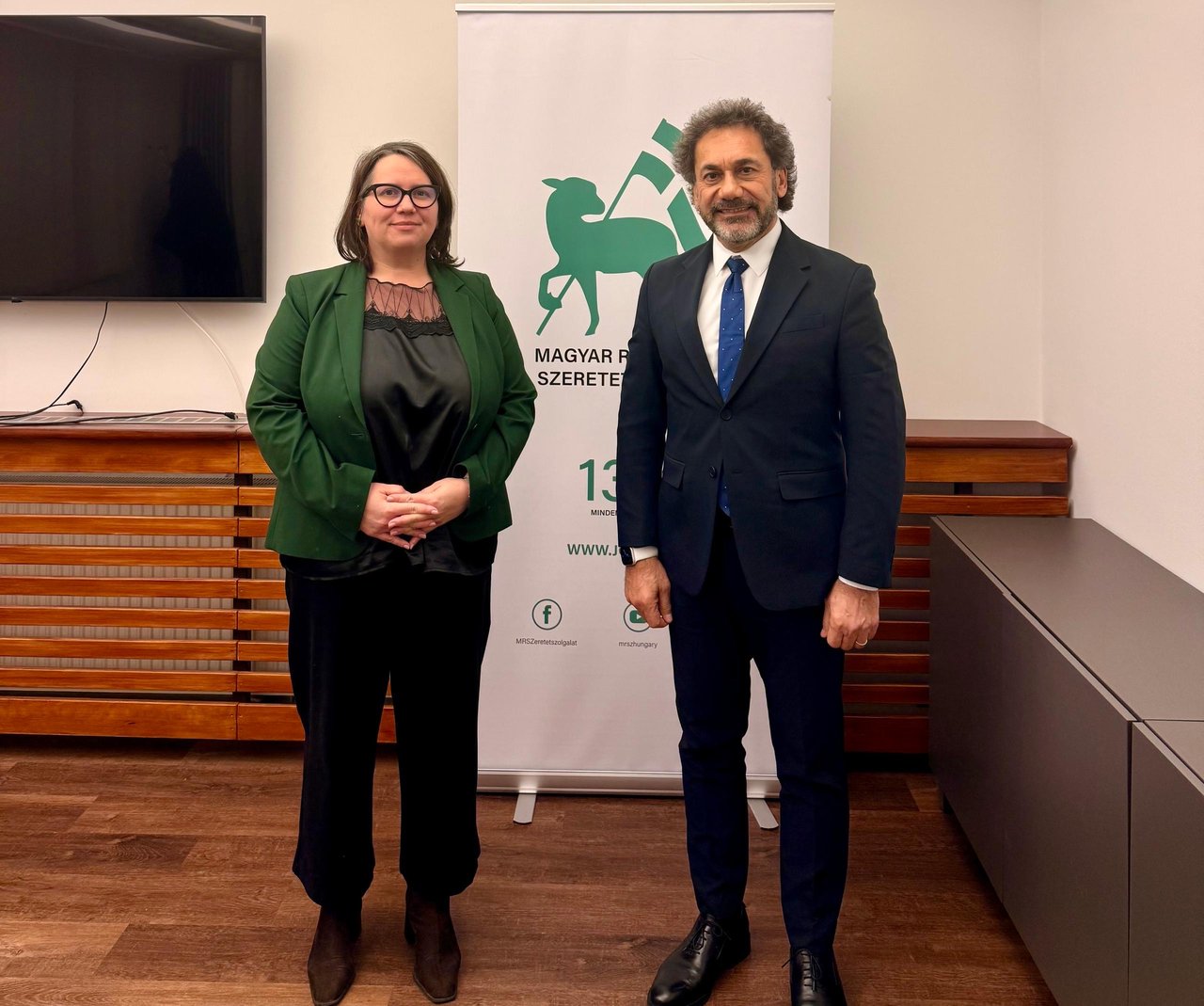
Photo: Ecumenical Office
Rev. Selimian also addressed questions of peace-building and justice, noting that communities must be willing to confront the truth honestly to come closer to real justice. He described a “theology of presence” in which the church remains with its people even in the most challenging circumstances; not only showing up in fair weather but, even more importantly, in the darkest days and the most tempestuous storms.
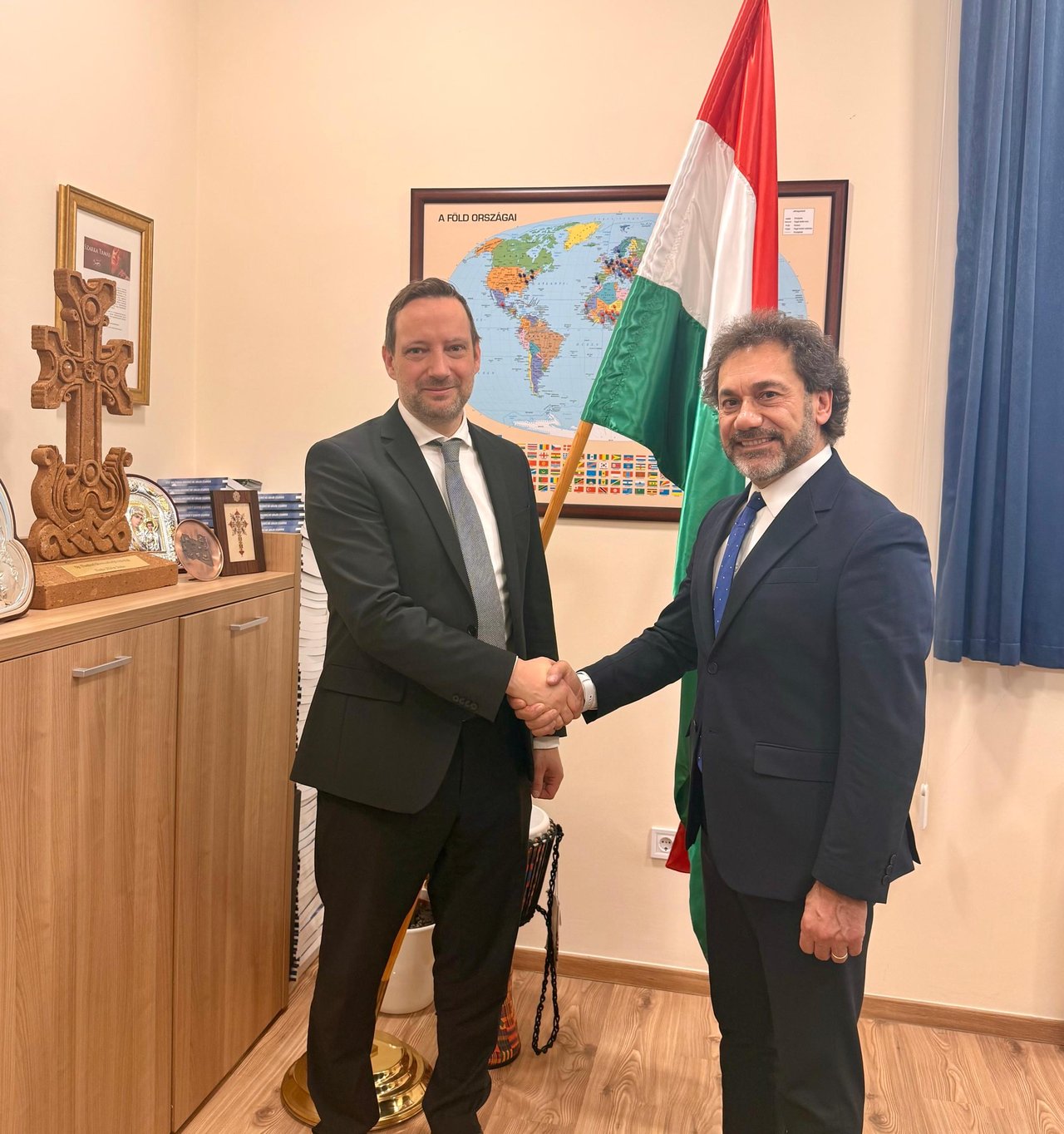
On December 5th, Rev. Selimian met with Mr Tristan Azbej, State Secretary for the Aid of Persecuted Christians and the Hungary Helps Program, a program of the Government of Hungary that aims to help the persecuted Christian communities, mostly in the Middle East and Africa. Mr Azbej shared about his recent visit to Damascus, Syria, where he met both representatives of the government and the Christian churches. State Secretary Azbej confirmed the Hungarian government’s commitment to support the Christian churches in Syria.
Rev. Selimian expressed his gratitude for the support they have received so far through Hungary Helps. He also gave an update about the present situation of the Armenian Evangelical community, and especially the educational and humanitarian ministries through which they support not only Armenian Christians but people of other nationalities and religions, and through which they also assist the reintegration of returning Syrian refugees. Acknowledging the diverse ministries of the Armenian Evangelical community in Syria, State Secretary Azbej reaffirmed Hungary's continued support for the community, underscoring that they have been a long-standing and reliable partner of the Hungary Helps Program.
Following the meeting with Mr Azbej, Rev. Selimian visited the Armenian Catholic Church in Budapest, a significant historical and cultural centre for the Armenian community and met with Fr. Bedros. Conversations focused on the historical presence of Armenians in the region, including in Budapest and the broader Carpathian basin, and the diversity of the local Armenian community today. The role of the church as a unifying force, providing services, cultural programs, and community life among the diaspora community in Budapest, was an important theme.
To conclude the visit, Rev. Selimian met with Rev. János Antal of the Királyhágómellék Reformed Church District in Romania. Rev. Antal conveyed the warm greetings and prayers from Bishop János Bogdán Szabolcs, along with a hope that cooperation between the Syrian and the Hungarian church communities in the Királyhágómellék Church District will continue to grow. Rev. Selimian expressed that his time in Hungary had been enriching and had renewed his zeal for ministry. Both sides emphasised the importance of continuing to share the testimonies of Christians in Syria more widely to strengthen solidarity across regions.
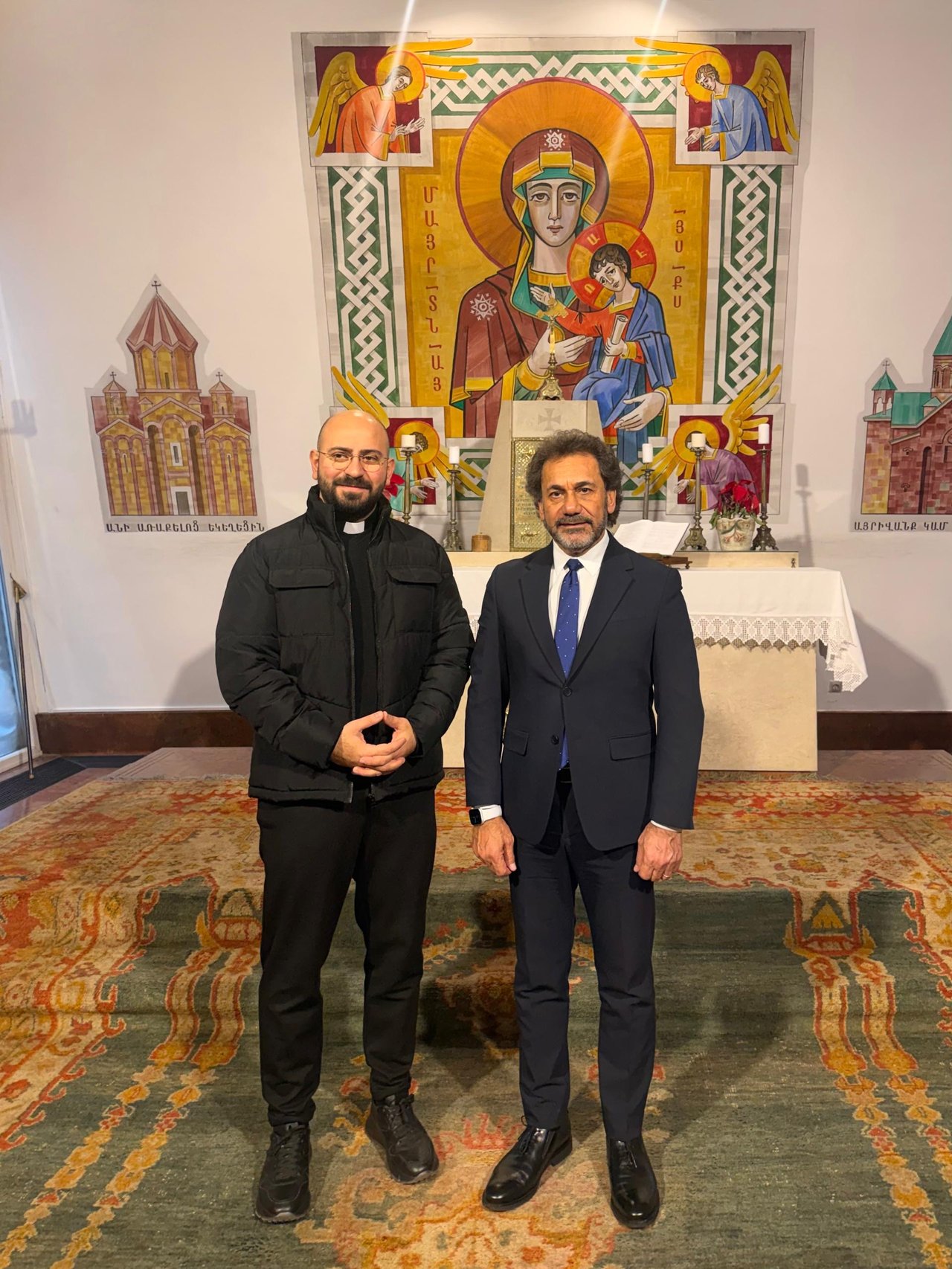
Photo: Ecumenical Office
The two-day visit concluded with a clear expression of mutual encouragement and a strengthened sense of shared commitment. In bringing together churches and partners from Hungary, Syria, Romania, and the local Armenian community, the meetings reflected a wider commitment to building understanding, supporting communities in need, and learning from one another’s experiences. The conversations of these days will continue to inform future cooperation and deepen the relationships that have long connected these church communities.