Congregational programmes, prayer and music evenings, and a devotional journal encouraging people to pause and be still will all draw attention to prayer in the coming year. In the Reformed Church in Hungary, 2026 will be the Year of Prayer, with one of its central messages being that, by quieting the world around us and ourselves, we may hear God and dwell in his presence. We spoke with the members of the Mission Service responsible for the theme of the year.
“At the Mission Service of the Reformed Church in Hungary (RCH), the desire to organise programmes focusing on prayer had already emerged some time ago. Since September this year, prayer has been the central theme of the Monday morning devotions held at the Synod Office. Pastors and lay people have been invited to lead these devotions. When we learned of the Presidency’s plan for 2026 to be designated as the Year of Prayer in the Church, and that our service was being considered to coordinate it, we felt that God had already prepared our hearts for this task,” said Rev. Dóra Császár-Harangozó, project coordinator for the Year of Prayer and a member of the RCH Mission Service. We spoke with her and Rev. Zoltán Levente Hajdú, Director General of the RCH Mission Service, about the thematic year.
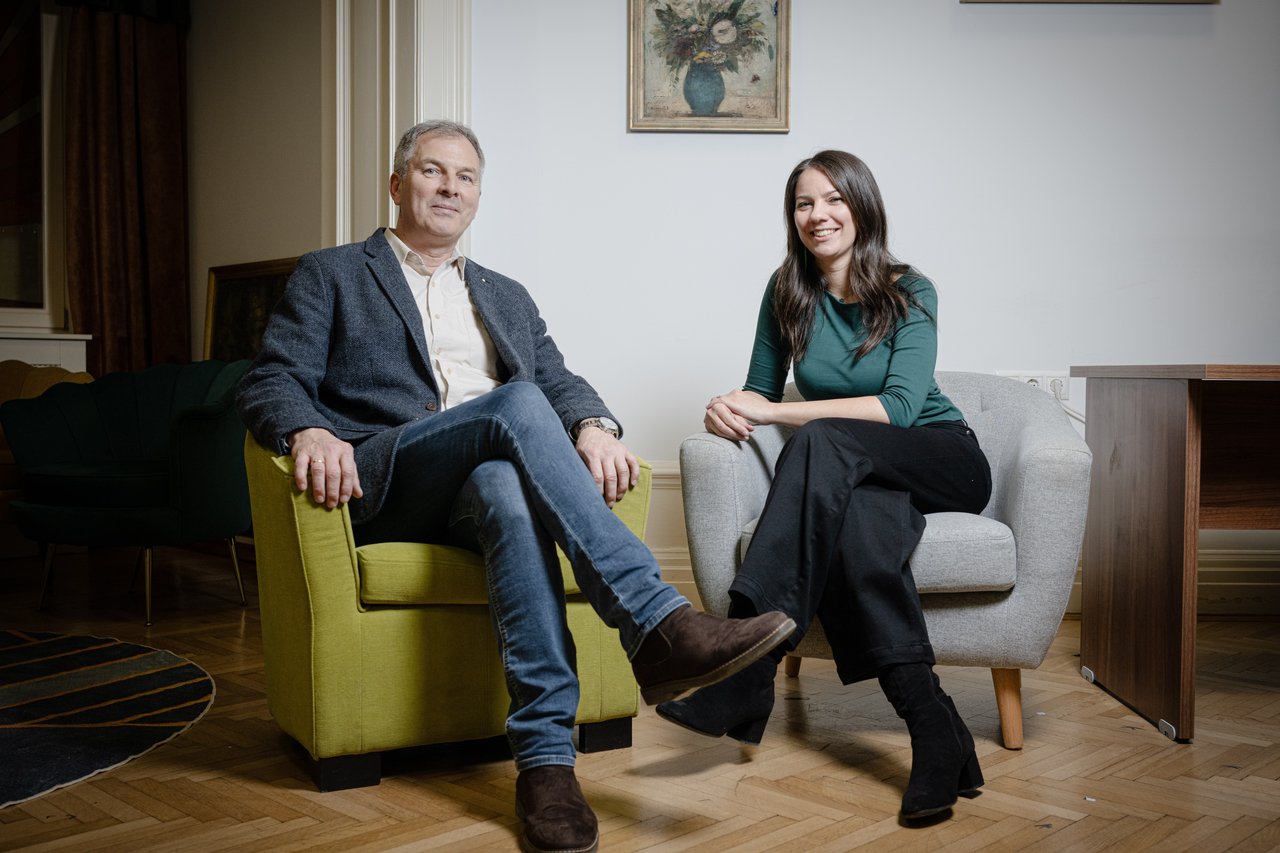
Rev. Zoltán Levente Hajdú and Rev. Dóra Császár-Harangozó
Photo: Milán Magyaródi
Being Still and Waiting for the Lord
Rev. Zoltán Levente Hajdú explained that prayer is a time of becoming still before God, helping us to hear him. In his view, we are greatly in need of this silence amid the noise that surrounds us. This is why the guiding verse of the Year of Prayer is Psalm 46:10: “Be still, and know that I am God.”
One of the central resources of the thematic year is a devotional prayer journal, published by the Mission Service under the title (Szela.). “Our aim is to provide help for personal quiet times and regular prayer. The journal guides the reader through twelve attributes of God in four- to five-week cycles. Each month is associated with a prayer collected for us by Endre Kovács, a theologian specialising in spirituality and a senior colleague at the Gyökössy Institute.
“Each month also has a guiding verse, which reveals something about God and the way he makes himself known. During the first week, we can consider what God says about himself. In the second week, we can reflect on what God’s Word tells us about ourselves. In the third week, we can examine our relationships in the light of the Word, and in the fourth week, we can consider what God says about the world and our place in it.
“We would like to encourage readers to become still and wait for the Lord, for an encounter with him,” emphasised the coordinator of the thematic year. The devotional journal, designed as a perpetual calendar, can be started and used at any time.
“Pray Then Like This”
It is often the case that we cannot find the words when trying to pray spontaneously. In such moments, it can be helpful to return to prayers that we know well, such as the Lord’s Prayer, which Jesus taught us. Rev. Zoltán Levente Hajdú explained that the Lord’s Prayer is a foundational prayer that we know by heart, but it is worth asking ourselves whether we also know it from the heart.
“During the thematic year, we would like to explore the Lord’s Prayer more deeply through a series of discussions based on Endre Kovács’s book Pray Then Like This!. We have a number of plans for 2026 that will use biblical prayers to help us pray and recognise that although we live in a different age and our circumstances are different from those of two thousand years ago, our dependence on God remains the same,” he said.
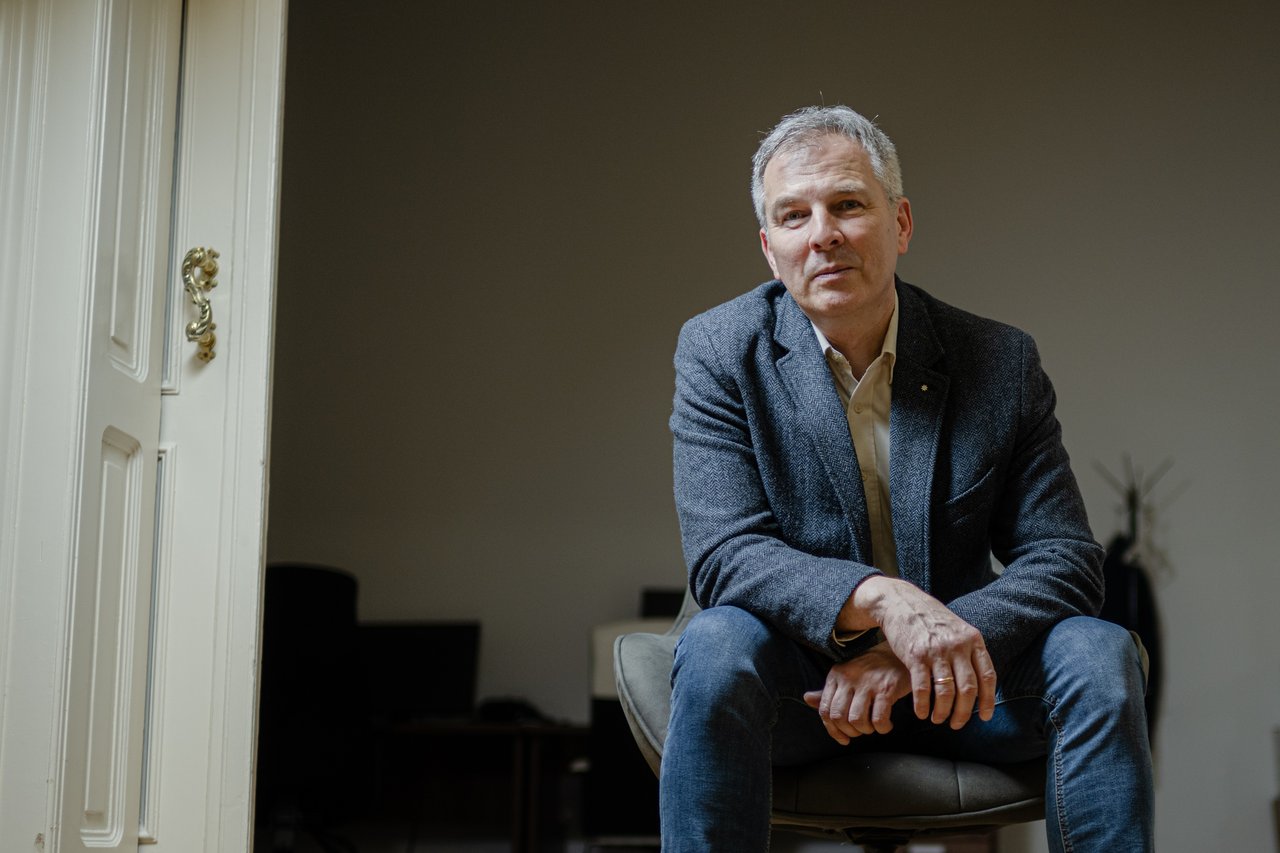
Photo: Milán Magyaródi
There are various thematic publications and resources available to help us learn about and practise prayer. Do we need these resources in order to be able to pray? Rev. Zoltán Levente Hajdú emphasised that there are many ways of communicating in the Spirit, and that prayer is experienced differently on an individual and communal level.
“How does prayer become audible in our surroundings and to society? The more I reflect on this question, the more I realise what depths and heights prayer contains. It is extraordinary to see the connections through which God sets us in motion, guides us, and through us also leads others closer to himself,” he explained.
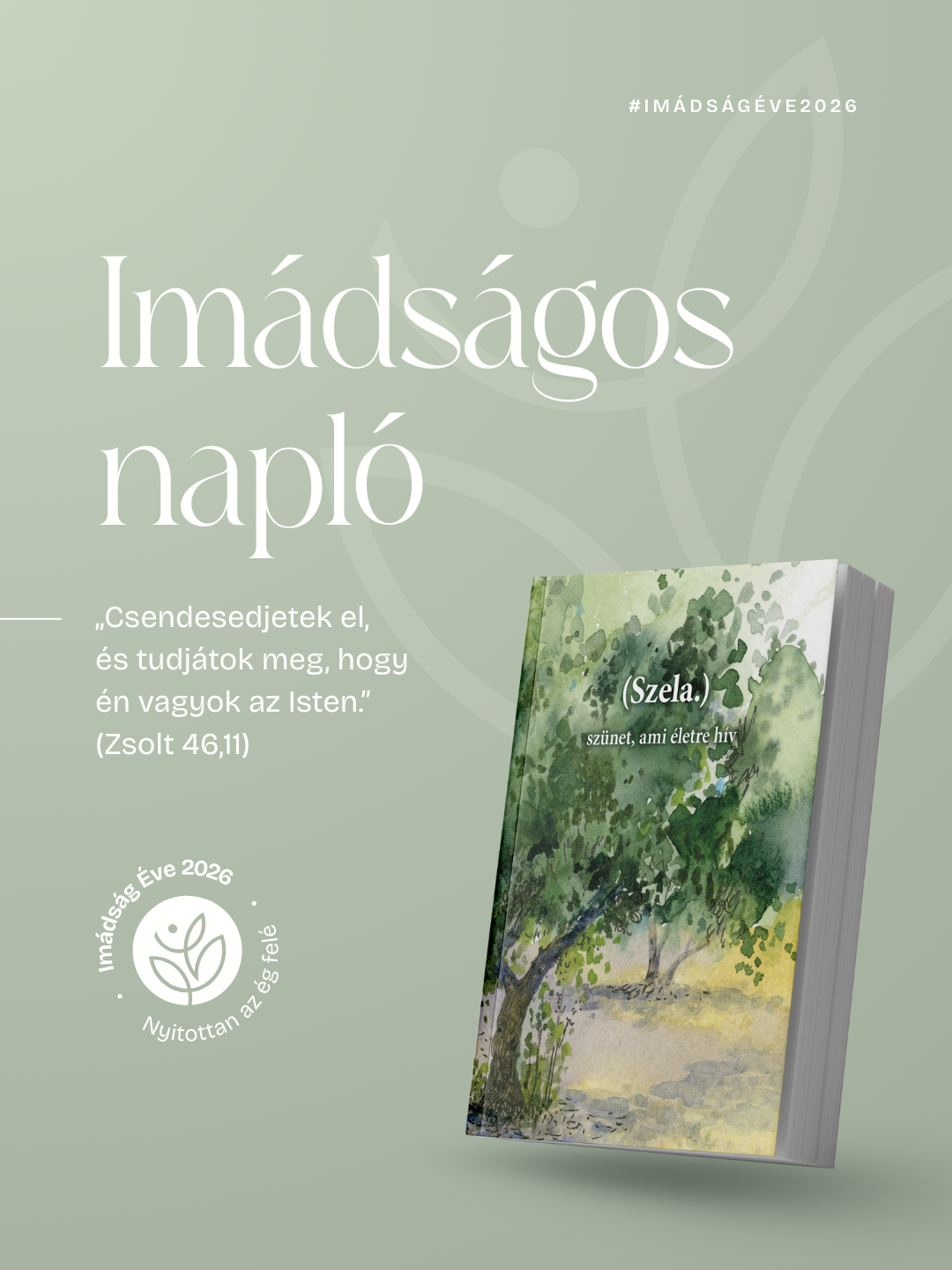
Rev. Dóra Császár-Harangozó added that prayer is a dialogue, and it is at its best when we listen attentively to one another. When we pray, we expect God to hear us, but we also need to listen to him.
“We would also like to encourage everyone to try to express their thoughts honestly to God, while at the same time waiting for his response and listening to him, making space for him to speak. This year, we want to invite everyone to do what the guiding verse of the thematic year also calls us to do: ‘Be still, and know that I am God.’ (Psalm 46:10)
“Prayer has an important place in our lives, not only through words, but also by giving our time to God, remaining silent and attentive, and waiting for an encounter with him,” said the pastor.
How Is the Thematic Year Structured?
“The congregation must live as a praying community in order to be strong, conscious and credible before society. We seek to provide opportunities, programmes, events and resources to help everyone find what they personally need, while also experiencing how God uses this to draw us into community,” said Rev. Zoltán Levente Hajdú.
He added that people today often measure everything against themselves and want to acquire everything for themselves. However, when we are genuinely able to turn towards another person, and they experience this as authentic, the relationship and the community can be led towards miracles according to God’s will.
“Prayer becomes alive when it inspires us to do something and sets us in motion, when it adds something to my life. Becoming still before God is a time of being filled and renewed, and then it carries us onwards to where we live our everyday lives,” said the Director General of the Mission Service.
He also mentioned that there will be events and resources aimed at different age groups, while efforts will also be made to bring different generations together, for example through prayer and music evenings planned for the Church Districts. At such occasions, we can discover how many different ways there are to pray and how many forms prayer can take.
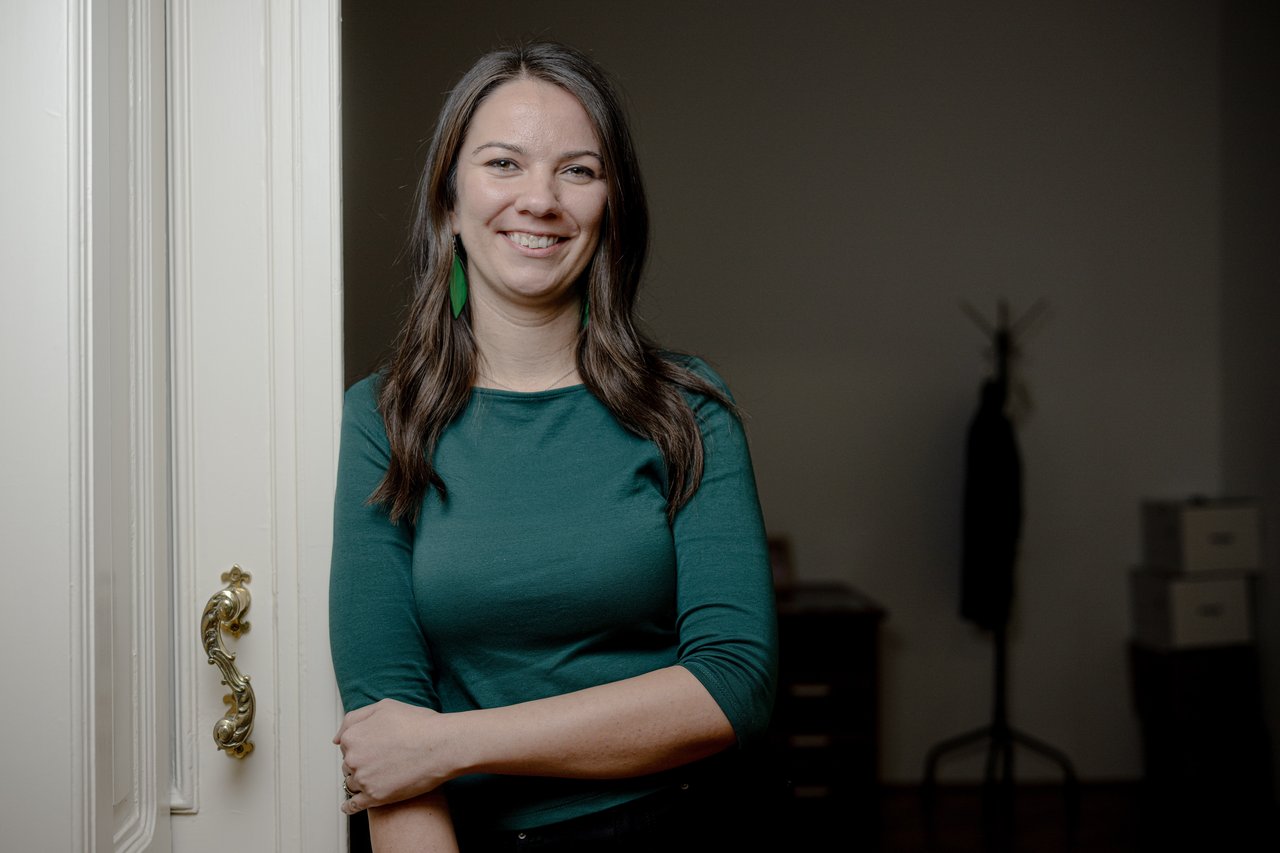
Photo: Milán Magyaródi
God Has Already Prepared Our Hearts for the Year of Prayer
Rev. Dóra Császár-Harangozó also highlighted that the prayer and music evenings will be organised with the participation of the Church Districts. Congregations will be able to apply for support to organise prayer days, prayer weeks and prayer walks.
The central programme will be an event called A Week of Prayer, taking place in autumn 2026, when members of the Reformed Church in Hungary around the world will be invited to pray continuously for 168 hours.
A Prayer for the Year of Prayer
We also asked the pastors to share the prayers that guide them in their everyday lives. They highlighted the opening and closing prayers of the Synod devotions, from Psalms 51 and 57, which call us to repentance, renewal and trust in God.
The Mission Service also holds a weekly prayer meeting, providing space for quietness and for experiencing the power of communal prayer.
Rev. Zoltán Levente Hajdú also recalled the first two verses of Isaiah 60: “Arise, shine, for your light has come, and the glory of the Lord rises upon you. See, darkness covers the earth and thick darkness is over the peoples, but the Lord rises upon you and his glory appears over you.”
“This passage is deeply moving because it speaks to the present; we simply need to place ourselves within it. It is a wonderful source of inspiration if we dare to believe that this is how God sees us within his plan of grace. We can put aside our lack of faith, because he will not abandon us, he will not put us to shame, and he will also be present in our actions,” emphasised the Director General of the Mission Service.
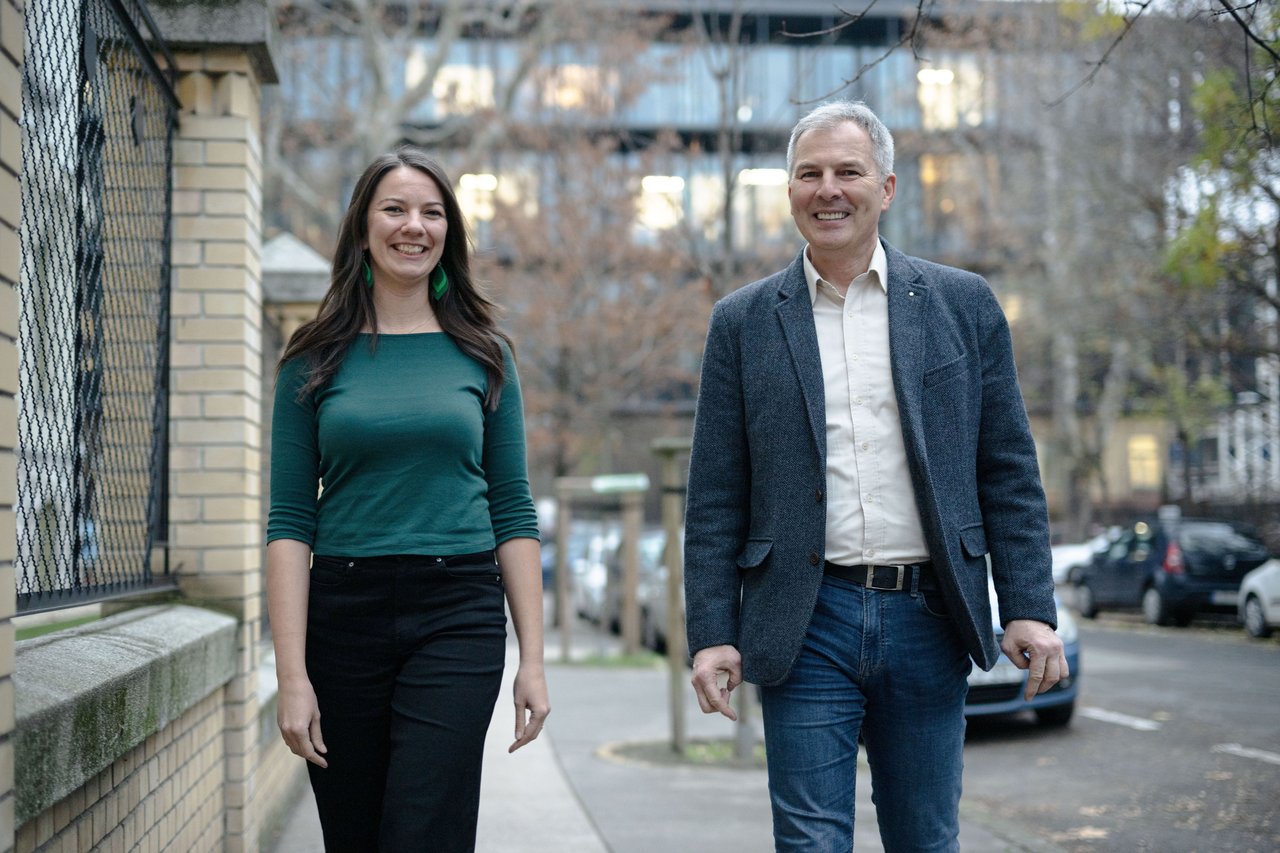
Photo: Milán Magyaródi